The Trouble with Alchemy
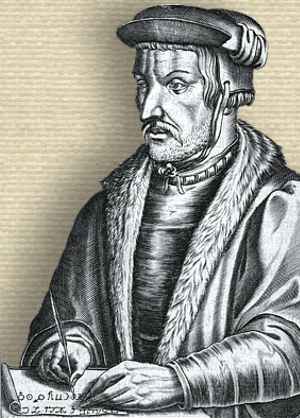 |
| Heinrich Cornelius Agrippa (4) |
Alchemy
The commonality between the three men is their belief and study of alchemy. Alchemy is a pseudo-science which mainly centered around the ability to transmute materials, such as lead into gold. A key feature of alchemists was that they intentionally complicated their texts so that they were the only ones who could understand them (1). The process of hiding their work, and their obsession with conquering nature is key to understanding how alchemy plays into the work of Frankenstein. For more detailed information on alchemy, see this video (1).
Cornelius Agrippa believed in "Hidden Philosophy," which actively went against the established science of Shelly's time (2). In fact, the work of all these men was generally considered outdated (6). Albertus Magnus believed that science ought to be derived from the natural world rather than textbooks (2). Finally, Paracelsus is especially important, since he is often considered more prominent and helpful to the field of science (and specifically medicine) compared to the other men (6). Paracelsus is also famous for questioning the words of ancient scholars and not learning from textbooks.
 |
| Albertus Magnus (3) |
Impact on Victor
So, what impact did alchemy and these practitioners have on Victor's life? Although Victor himself states that these men only interested him during his childhood, it is clear that Victor is an unreliable or at least questionable narrator. According to an essay by Stuart Peter, because of Victor's reading of these men, he falls into "the truism that knowledge is power" (6). If true, then the reading of these three alchemists could have been what doomed Victor, what set him on the wrong path from the very start. All of these men
believed that you could enact miracles with alchemy, and Victor was always more drawn to miracles, than to the careful study of science. Victor's downfall is that he desires more knowledge, more power, and the ability to overcome nature in the same way alchemists sought to do so.
believed that you could enact miracles with alchemy, and Victor was always more drawn to miracles, than to the careful study of science. Victor's downfall is that he desires more knowledge, more power, and the ability to overcome nature in the same way alchemists sought to do so.
Impact on Shelly
Peter also makes an argument that the ideas of these natural scientists may have been an important source of her idea for Frankenstein as a whole. After all, Shelly's idea of reanimation is very similar to the elixir of life, which Paracelsus truly sought in his research. The elixir of life, it was believed, could grant immortality and cure all sicknesses. Shelly may have been trying to make a statement against such practices which attempt to play God. Shelly lived in a time when science was rapidly changing and there were some who believed these changes were harmful. Shelly writes all throughout Frankenstein the power of nature to heal the mind and elevate mood. Alchemy is the epitome of science attempting to bend the laws of nature, so it makes sense that the big 3 alchemists of history would influence Shelly to write a book about a young scientist led astray by such ideas.
 |
| Paracelsus (5) |
1. Crash
Course. “Alchemy: History of Science #10.” YouTube, uploaded by Crash
Course, 11 Jun. 2018, Alchemy:
History of Science #10 - YouTube
2. Awtrey,
Briana. “Frankenstein and Alchemy.” Frankenstein
and Alchemy (erau.edu). Accessed 4 Mar. 2022.
3. Costa, Leopoldo. “Albertus Magnus.” STRAVAGANZA, ALBERTUS MAGNUS | S T R A V A G A N Z A
(stravaganzastravaganza.blogspot.com). Accessed 4 Mar. 2022.
4. “Heinrich
Cornelius Agrippa.” Today in Science History, Heinrich
Cornelius Agrippa Quotes - 16 Science Quotes - Dictionary of Science Quotations
and Scientist Quotes (todayinsci.com). Accessed 9 Mar. 2022
5. “Paracelsus.”
Lapham’s Quarterly, Paracelsus |
Lapham’s Quarterly (laphamsquarterly.org). Accessed 9 Mar. 2022


Comments
Post a Comment